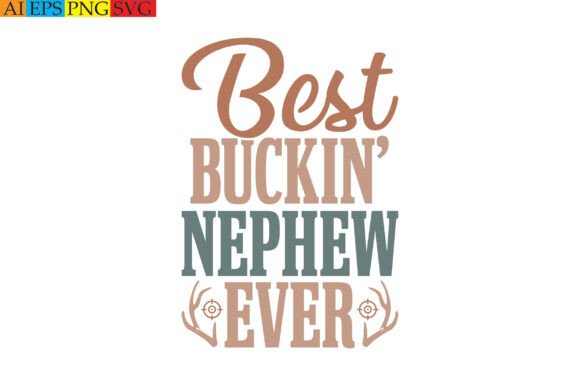
Best Buckin’ Nephew Ever
First Impressions: A Vintage Vibe with a Modern Twist
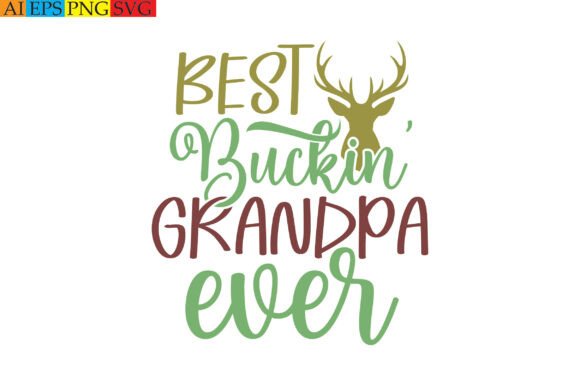
Best Buckin’ Nephew Ever immediately grabs attention with its calligraphy vintage text style. The design feels like it belongs on a retro t-shirt or a hand-stitched patch, evoking nostalgia without being overly dated. The layout is clean and balanced, making it versatile for various embroidery projects. The font choice adds a personal, handwritten touch that stands out in a sea of generic designs.
Real-World Use: What Works and What Doesn’t
When considering Best Buckin’ Nephew Ever for real embroidery work, the first thing to note is its suitability for custom apparel. It’s ideal for sweatshirts, tote bags, and even baby onesies. The design’s size and detail level make it perfect for larger hoop sizes, but it might be too intricate for small hoop embroidery. If you’re working on a project like a personalized gift or a boutique product, this design could add a unique flair that customers would appreciate.
Where It Shines
- Custom t-shirts and sweatshirts
- Embroidered tote bags and aprons
- Personalized gifts and holiday items
- Small business merchandise and Etsy listings
Where to Be Cautious
- Small hoop sizes may not accommodate the design’s detail
- Textured or stretchy fabrics could affect stitch clarity
- Thin or dark fabrics may require additional stabilizer
- Curved surfaces like caps may need adjustment for proper placement
Design Performance: Stitching Clarity and Visual Appeal
Best Buckin’ Nephew Ever performs well in most standard embroidery situations. The design’s structure allows for clear stitching, especially when using satin or fill stitches. However, the delicate script may not hold up as well on dense stitch areas or in high-traffic zones. For a handmade product or a personalized gift, this design can elevate the overall look and feel, adding a touch of sophistication that resonates with customers.
When used on a custom apparel piece, such as a sweatshirt or a tote bag, the design maintains its visual appeal without overwhelming the fabric. It works well with both light and dark backgrounds, though thread color contrast is essential to ensure visibility. For commercial embroidery projects, this design offers a professional finish that aligns with brand consistency and customer expectations.
Practical Designer Notes: Testing and Preparation
As an experienced designer, my first recommendation is always to test the design on scrap fabric before committing to a final project. This helps identify any potential issues with stitch density, fabric texture, or stabilizer use. Best Buckin’ Nephew Ever benefits from a good stabilizer, especially when working with lightweight or stretchy materials.
It’s also important to review the file formats provided. While the design includes AI, EPS, PNG, and SVG files, it’s crucial to confirm compatibility with your embroidery machine. If you're planning to sell finished products or digital assets, check the licensing terms to ensure compliance with your business model.
For craft businesses or Etsy sellers, this design can be a valuable addition to your product line. Its vintage aesthetic makes it suitable for handmade shops, boutique branding, and printable mockups. However, it’s best to avoid using it on items that will undergo frequent washing or heavy wear, as the details may fade over time.
Final Thoughts: A Design That Speaks for Itself
Best Buckin’ Nephew Ever is a strong contender for those looking for a vintage-inspired, calligraphy-style embroidery design. It brings character to custom apparel, personalized gifts, and small business merchandise. Whether you’re an embroidery designer, a hobbyist, or a creative entrepreneur, this design offers practical value and visual appeal when used correctly.
Ultimately, the success of Best Buckin’ Nephew Ever depends on how well it fits your specific project needs. With careful consideration of fabric type, hoop size, and stitch density, it can become a standout element in your embroidery work. As with any design, testing and preparation are key to ensuring a high-quality finished product that meets both your standards and your customers' expectations.