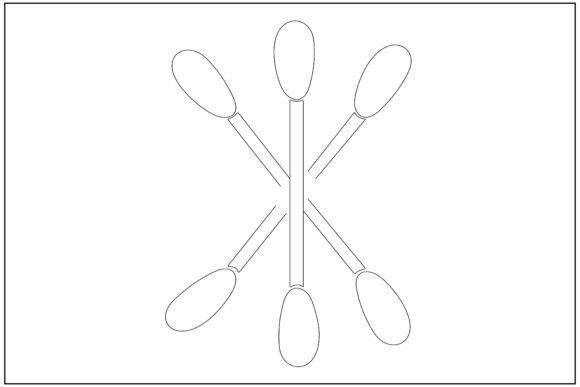
Cotton Swabs Cross Line Art
As an embroidery designer with years of experience, I always start by evaluating a design’s potential before committing it to a project. Cotton Swabs Cross Line Art is a simple yet intriguing illustration that offers versatility for a range of creative applications. Its clean lines and minimalistic approach make it ideal for a variety of embroidery projects, but like any design, it requires thoughtful consideration before use.
First Impressions: A Simple Yet Effective Design
Cotton Swabs Cross Line Art immediately presents itself as a straightforward line art piece. The composition is clear, with a central motif that appears to be a stylized cotton swab crossed with geometric lines. The simplicity of the design makes it easy to adapt, but it also means that it relies heavily on how it’s executed in embroidery.
The visual personality of this design feels modern and slightly whimsical. It has a soft, artistic tone that could work well in a variety of settings—whether as a wall decor piece or as a subtle detail on clothing. The layout is balanced, and the level of detail is just enough to be recognizable without being overwhelming.
This design would naturally fit into projects that require a minimalist aesthetic, such as custom tote bags, baby items, or even small embroidered patches. It’s not overly complex, which makes it accessible for both beginners and experienced embroiderers.
Real-World Embroidery Use Cases
When considering real-life embroidery situations, Cotton Swabs Cross Line Art proves to be adaptable. For example, if I were designing a custom tote bag for a client, this line art could serve as a unique and eye-catching element. It would work well as a single-color design, especially when using black or white thread against a light fabric background.
In sweatshirt embroidery, the design could be used as a subtle accent, either alone or paired with other elements. However, because it’s a line art design, it might not hold up as well on darker fabrics unless the thread color is carefully chosen for contrast.
For baby items, such as onesies or burp cloths, the design could add a playful touch. But I’d recommend testing it on different fabric types first, especially since babies’ clothes often have thin or stretchy materials that can affect stitching clarity.
On caps or hats, the design may need some adjustments due to the curved surface. This could lead to distortion if not properly hooped or stabilized. Similarly, on textured fabrics, the line art might not appear as sharp as on smooth materials.
Where to Be Cautious
While Cotton Swaps Cross Line Art is versatile, there are areas where caution is advised. Small hoop sizes may not accommodate the full design, making it difficult to stitch accurately. On thin or stretchy fabrics, the design could lose definition, especially if the stitch density is too low.
Dense stitch areas may cause the design to look cluttered, so it’s important to review the stitch density before finalizing the file. Tiny lettering or intricate corners could be challenging to execute, particularly on dark backgrounds where visibility is reduced.
For commercial embroidery projects, it’s essential to confirm the licensing terms before selling finished products. While the design seems suitable for handmade products and personalized gifts, it’s always wise to double-check the usage rights.
Impact on Visual Appeal and Customer Perception
The visual appeal of Cotton Swabs Cross Line Art depends largely on how it’s executed. When done well, it can elevate a product with its clean, modern look. However, poor execution could make it appear cheap or unprofessional, especially if the stitching is off or the thread colors don’t match the fabric.
Customers often associate quality with attention to detail. A well-stitched line art design can increase the perceived value of a handmade product or custom apparel. It also enhances brand consistency, especially for businesses that rely on visual identity in their embroidery projects.
From a buyer engagement perspective, this design could be a strong asset for Etsy sellers or craft business owners looking for unique, printable mockups. Its simplicity makes it easy to incorporate into digital product previews, helping customers visualize the final product before purchasing.
Practical Designer Notes
Before using Cotton Swabs Cross Line Art in a project, I recommend testing it on scrap fabric. This helps determine how the design will look on different materials and allows for adjustments if needed. Checking thread color contrast is crucial, especially for dark or light fabric backgrounds.
Reviewing the stitch density is another important step. If the design is too dense, it could cause puckering or damage to delicate fabrics. Confirming the correct hoop size ensures that the entire design fits comfortably without distortion.
Inspecting small details, such as corners and lines, is essential. Even minor imperfections can affect the overall appearance of the finished product. Testing the design in black and white mockups can help identify issues that might not be obvious in color.
Using the right stabilizer is also key, especially when working with stretchy or thin fabrics. Proper stabilizer prevents shifting and ensures a clean, professional result.
Finally, always check whether the design is suitable for both personal and commercial use. Confirming licensing terms before selling finished items or digital products is a critical step for any embroidery designer or small shop owner.