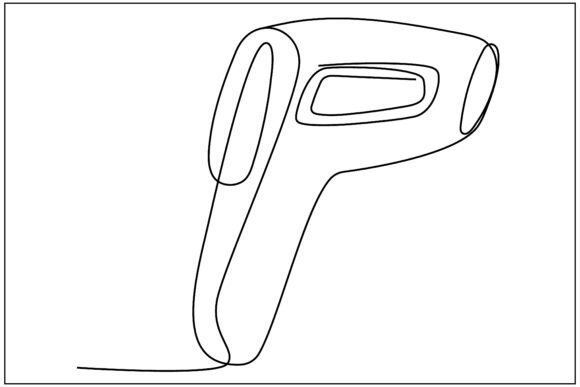
Infrared Thermometer Line Art
As a designer and embroidery product reviewer, I often find myself evaluating line art designs for their practicality in real-world projects. Infrared Thermometer Line Art is one such design that offers a unique visual appeal but requires careful consideration before use. This piece falls into the category of illustrations and graphics, and while it's versatile, its application depends heavily on the project at hand.
First Impressions: A Design That Speaks Volumes
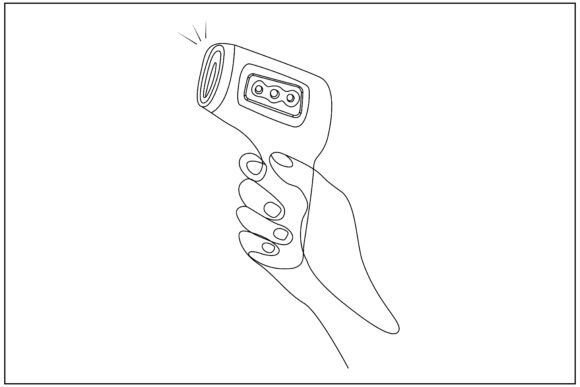
The first thing that catches the eye about Infrared Thermometer Line Art is its clean, minimalist aesthetic. The design features sharp lines and geometric shapes that evoke a sense of precision and modernity. It’s not overly complex, which makes it ideal for projects where simplicity is key. The layout is straightforward, with a clear focal point that draws the viewer in. This makes it perfect for custom apparel, baby items, or even as a decorative element on tote bags and pillow covers.
The mood created by this design is professional yet approachable. It has a technical feel that could work well for science-themed products, but it also has a subtle artistic quality that makes it adaptable to a variety of styles. Whether used on a sweatshirt or a wall decor piece, it maintains a level of sophistication that can elevate the overall look of a finished product.
Real-World Embroidery Use Cases
When considering Infrared Thermometer Line Art for an embroidery project, the first thing to think about is where it will be placed. For example, if you're working on a custom embroidered tote bag, the design would stand out as a bold, eye-catching element. However, if you're planning to use it on a delicate fabric like silk or a thin material like a baby onesie, you might need to adjust your technique to ensure the stitches don’t distort the fabric.
This design works best on flat, stable surfaces. It’s not ideal for curved areas like caps or hoods, where the stitching might pull or pucker. If you're creating an embroidered patch or a sweatshirt embroidery, the design should hold up well, provided you use the right stabilizer and adjust the stitch density accordingly.
For small business owners and Etsy sellers, Infrared Thermometer Line Art could be a great addition to a collection of digital embroidery files. It’s suitable for printable mockups and digital product previews, making it easy to showcase in online listings. However, it’s important to test the design on different fabric types before finalizing any product.
Where to Be Cautious
There are a few areas where Infrared Thermometer Line Art may not perform as expected. Small hoop sizes can be problematic, especially if the design has intricate details. You’ll need to ensure the hoop is large enough to accommodate the entire piece without cutting off any parts.
Textured fabrics or stretchy materials can also pose challenges. The design might not lay flat or could become distorted during the stitching process. Thin or dark fabrics may require additional stabilizer to prevent puckering or fading. If you're using it on a layered garment, make sure the design doesn't get lost in the layers.
Another thing to consider is the detail level. While the design is clean, it may not be ideal for products that require high levels of detail, such as tiny lettering or dense stitch areas. If you're looking for a more intricate design, this may not be the best choice.
Impact on Visual Appeal and Customer Perception
Infrared Thermometer Line Art can significantly enhance the visual appeal of a handmade product. Its clean lines and modern look give it a professional edge, which can increase customer trust and engagement. When used on a personalized gift or a custom apparel item, it adds a touch of uniqueness that sets the product apart from generic options.
For commercial embroidery projects, this design can be a valuable asset. It’s versatile enough to fit into a range of branding strategies, whether you're creating boutique merchandise or small shop products. Its ability to work on multiple surfaces—like mugs, pillows, and tote bags—makes it a flexible choice for craft businesses and digital product sellers.
However, it's important to remember that the success of any embroidery project depends on how well the design is executed. Poorly stitched or improperly stabilized designs can lead to dissatisfaction among customers. Always take the time to test the design on scrap fabric before committing to a full project.
Practical Designer Notes
Before using Infrared Thermometer Line Art in any project, I recommend testing it on different fabric types. This will help you understand how the design behaves under various conditions. Check the thread color contrast to ensure it stands out against the fabric, especially if you're working with dark or light backgrounds.
Review the stitch density to make sure it’s appropriate for the fabric you’re using. If the design is too dense, it may cause the fabric to pucker or wear out faster. Confirm the hoop size needed to accommodate the design, and always use the proper stabilizer to keep the fabric taut during stitching.
If you're planning to sell finished products or digital embroidery files, make sure to check the licensing terms. While the product description mentions it can be used for a variety of creative products, it’s always wise to verify the exact terms before proceeding.
Finally, consider how the design fits into your brand or product lineup. Does it align with your target audience? Will it appeal to your customers? These are important questions to ask before finalizing any project involving Infrared Thermometer Line Art.