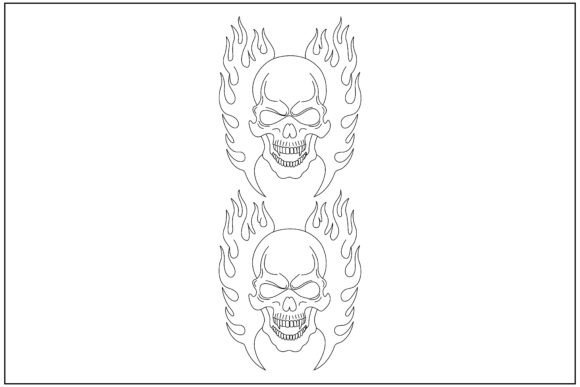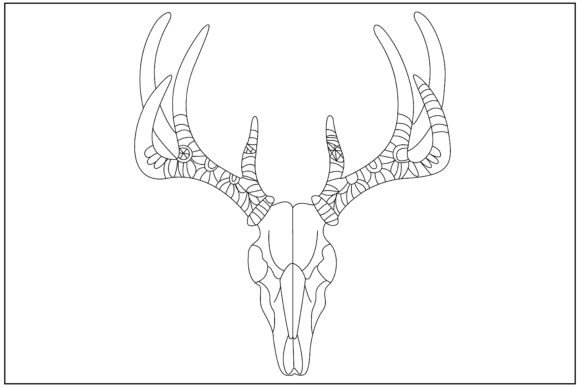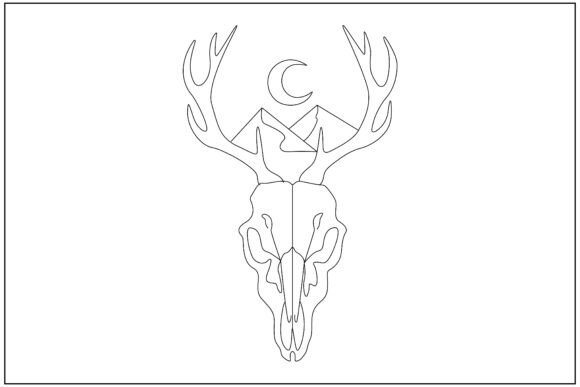
Symmetrical Skull Palm Line Art
As a designer with years of experience in embroidery and digital product creation, I’ve evaluated countless designs for real-world use. Symmetrical Skull Palm Line Art is one that stands out for its clean lines, balanced composition, and versatility across multiple mediums. Whether you're working on custom apparel, handmade gifts, or commercial embroidery projects, this design has potential—but it also requires careful consideration to ensure it meets your creative and practical goals.
The First Impression: Mood, Shape, and Visual Personality
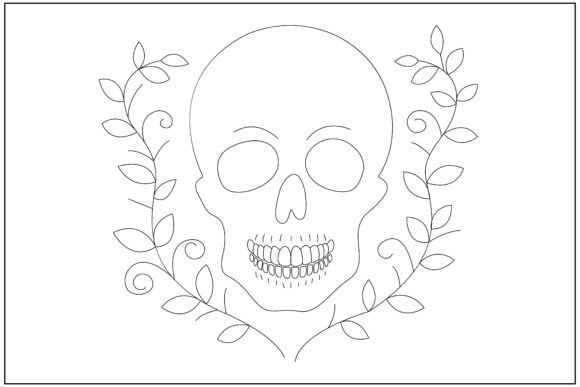
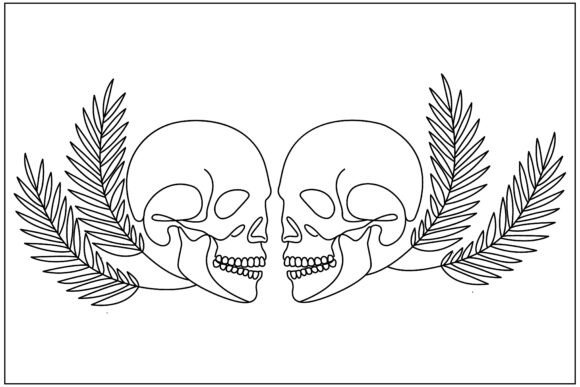
Symmetrical Skull Palm Line Art immediately conveys a bold, artistic vibe. The central skull is framed by a palm-like motif, creating a visual rhythm that feels both structured and organic. The symmetry suggests a sense of balance, while the line work adds a minimalist aesthetic that can appeal to a wide range of audiences. This design isn’t overly complex, but it’s detailed enough to hold visual interest without overwhelming the viewer.
The theme leans toward edgy, yet refined, making it suitable for alternative fashion, vintage-inspired decor, or even subtle branding elements. It’s not a design that screams “loud,” but it carries a quiet confidence that can translate well into different styles and settings.
Real-World Embroidery Performance: What Works and What Doesn’t
When considering how Symmetrical Skull Palm Line Art performs in actual embroidery situations, it’s important to think about the scale and placement. This design works best on larger surfaces where the details can be clearly rendered. For example, a tote bag design or a sweatshirt embroidery would give the piece enough space to shine. However, on smaller items like baby clothes or caps, the details may become too compressed, leading to a less defined result.
For custom apparel, especially t-shirts and sweatshirts, the design holds up well with proper stitch density. A combination of satin stitch and running stitch can help maintain clarity without overloading the fabric. That said, if you’re planning to use this as an applique design, you’ll want to make sure the edges are crisp and well-defined to avoid fraying or distortion during the sewing process.
One area where this design could be tricky is on textured fabrics or thin materials. The line work might get lost or appear uneven if the fabric doesn’t provide a stable base. In such cases, using a proper stabilizer is crucial to prevent puckering or shifting during stitching.
Where to Use It (and Where to Be Cautious)
Symmetrical Skull Palm Line Art is ideal for wall decor, posters, and printed merchandise where the design can be enlarged without losing detail. It also works well as a printable mockup for digital product previews or as part of a craft business’s branding assets. However, there are some limitations to keep in mind.
On dark fabrics, the line art may not stand out as effectively unless you use a contrasting thread color. Similarly, on stretchy or thin materials, the design might require extra support to maintain its shape. If you’re planning to use this on curved surfaces like caps or hats, you’ll need to adjust the hoop size and possibly break the design into sections for better fit and accuracy.
Small hoop sizes can also be a challenge. If the design is too large for your machine’s hoop, you may need to split it or reduce the scale, which could affect the overall look. Always test the design on scrap fabric before committing to a final project.
Impact on Visual Appeal and Customer Perception
When used correctly, Symmetrical Skull Palm Line Art can elevate the visual appeal of any embroidered product. Its clean lines and balanced layout make it a strong choice for handmade products that aim to convey professionalism and attention to detail. Customers often respond positively to designs that feel intentional and well-crafted, and this one has that quality.
From a business perspective, this design can enhance product value and customer trust. It’s a versatile asset that can be adapted for different markets, from alternative fashion to holiday gifts. However, its success depends on how well it’s executed in the finished product. Poorly stitched or improperly scaled designs can lead to dissatisfaction, so it’s essential to maintain quality throughout the process.
Practical Designer Notes: Tips for Using Symmetrical Skull Palm Line Art
Before jumping into a full project, always test the design on scrap fabric. This helps you assess how the lines look in different thread colors and fabric textures. Pay close attention to the stitch density—too high, and the design may become stiff; too low, and it may appear weak or incomplete.
Check the hoop size required for your machine and make sure the design fits comfortably within it. If not, consider adjusting the scale or breaking the design into parts. Also, review the small details, such as corners and curves, to ensure they remain sharp and consistent after stitching.
Use black and white mockups to see how the design looks on both light and dark backgrounds. This will help you decide on the best thread colors and fabric choices. And don’t forget to confirm the licensing terms before selling finished items or digital products. Even though this is a graphics file, proper usage rights are essential for commercial applications.
Final Thoughts: A Versatile Design with Practical Considerations
Symmetrical Skull Palm Line Art is a solid choice for designers and crafters looking for a unique, adaptable design. It offers a good balance between simplicity and detail, making it suitable for a wide range of embroidery projects. However, its success ultimately depends on how well it’s applied and the care taken during the stitching process.
If you’re an Etsy seller, small shop owner, or craft entrepreneur, this design can be a valuable addition to your product lineup. Just remember to approach it with the same level of care and attention you’d give any other embroidery project. With the right execution, Symmetrical Skull Palm Line Art can become a standout piece that resonates with your audience and enhances your brand’s visual identity.