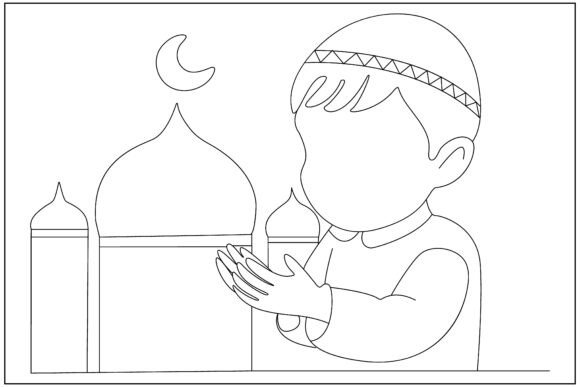
Muslim Child Dua Line Art
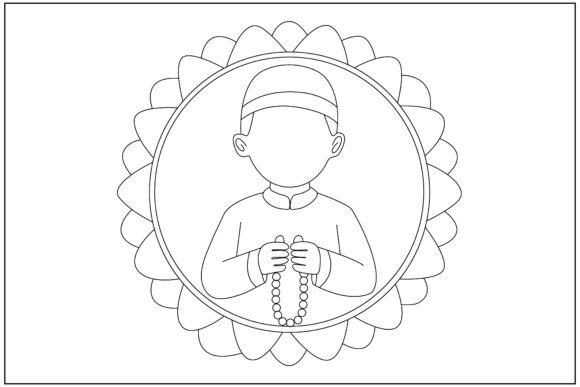
As an embroidery designer with years of experience, I always start by evaluating a design’s potential before committing it to a project. Muslim Child Dua Line Art is a unique and meaningful piece that holds promise for a variety of creative applications. Its clean lines, cultural significance, and minimalist aesthetic make it ideal for personal and commercial use, but there are several factors to consider before incorporating it into your work.
First Impressions: A Design That Speaks Quietly
The first thing that stands out about Muslim Child Dua Line Art is its simplicity. The design features a soft, flowing script that captures the essence of a child’s prayer or dua. It’s not overly complex, which makes it accessible for a wide range of projects. The layout feels balanced, with enough detail to be visually engaging without being overwhelming. This makes it perfect for items like baby clothes, personalized gifts, or wall decor where subtlety is key.
The mood of the design is calming and respectful, making it suitable for both religious and secular settings. It’s clear that the artist intended this to be a versatile piece that can be adapted to different mediums and styles. Whether used as a standalone embroidery or paired with other elements, it has a natural elegance that doesn’t demand attention but still commands it.
Real-World Embroidery Use Cases
When considering Muslim Child Dua Line Art for real-world embroidery, the first thought is how it translates to different fabrics and products. For example, if you’re working on a custom tote bag design, the line art would look great in a light-colored fabric with a bit of contrast. On a dark fabric, it might need a thread color adjustment to ensure visibility. Similarly, when using it on a sweatshirt or t-shirt, the stitch density and stabilizer choice will play a big role in how the final product looks.
This design works well on flat surfaces like pillow covers or kitchen towels, where the lines can be clearly seen. However, it may not be the best choice for curved surfaces like caps or hats, where the stitching could become distorted. For embroidered patches, the design’s simplicity helps maintain clarity, especially when using a running stitch or satin stitch.
In terms of commercial use, Muslim Child Dua Line Art could be a strong asset for Etsy sellers or small shop owners looking to offer handmade products with a cultural touch. It’s also a good fit for holiday or wedding gifts, where the sentimentality of the design adds value. However, it’s important to consider the target audience and whether they’ll connect with the theme.
Where to Be Cautious: Potential Limitations
While Muslim Child Dua Line Art is versatile, there are some situations where it may not perform as well. For instance, if you’re working with small hoop sizes, the design might be too large to fit comfortably. This could lead to stitching issues or require multiple hooping, which complicates the process.
On textured or stretchy fabrics, the design may not sit as smoothly as desired. Thin or dark fabrics could also pose challenges, especially if the thread color isn’t chosen carefully. In such cases, testing the design on scrap fabric before committing to a final project is essential.
Another area to be cautious about is detailed corners or tiny lettering. If the design includes intricate details, they may not translate well to certain embroidery machines or fabric types. It’s worth checking how the design behaves in black and white mockups to see if the lines remain sharp and readable.
Impact on Visual Appeal and Customer Perception
One of the biggest advantages of Muslim Child Dua Line Art is its ability to enhance visual appeal without being overpowering. It adds a touch of sophistication to any product, whether it’s a simple t-shirt or a more elaborate wall decor piece. When used correctly, it can elevate the perceived value of a handmade product or personalized gift.
From a customer perspective, the design can evoke a sense of warmth and tradition. It’s a thoughtful addition to items like baby clothes, nursery decor, or holiday gifts. However, it’s important to ensure that the design aligns with the brand’s identity and the expectations of the target market. A mismatch could lead to confusion or lack of engagement.
For small business owners or crafters, this design can be a valuable part of their product lineup. It offers a unique selling point that can differentiate their offerings from competitors. But again, it’s crucial to test the design thoroughly and understand its limitations before offering it to customers.
Practical Designer Notes: What to Check Before Using
Before using Muslim Child Dua Line Art in your embroidery projects, here are a few practical steps to take:
- Test on scrap fabric to see how the design looks and stitches.
- Check thread color contrast to ensure visibility on different fabric types.
- Review stitch density to avoid issues with thick or thin areas.
- Confirm hoop size to ensure the design fits comfortably.
- Inspect small details to see if they hold up during stitching.
- Test in black and white mockups to evaluate line clarity.
- Compare with light and dark fabric backgrounds to determine the best fit.
- Use proper stabilizer for delicate or stretchy fabrics.
- Check licensing before selling finished items or digital products.
These steps help ensure that Muslim Child Dua Line Art is used effectively and professionally in your embroidery projects.
Final Thoughts: A Thoughtful Addition to Your Design Library
Muslim Child Dua Line Art is a design that requires careful consideration but offers a lot of potential for creative use. It’s not a one-size-fits-all solution, but when applied correctly, it can add depth and meaning to a wide range of products. Whether you're working on custom apparel, personalized gifts, or commercial embroidery projects, this design has the power to resonate with the right audience.
As a designer, I appreciate the balance between simplicity and symbolism in this piece. It’s a reminder that sometimes, less is more—and that even the smallest design can carry significant emotional weight. With the right approach, Muslim Child Dua Line Art can become a valuable part of your embroidery toolkit.