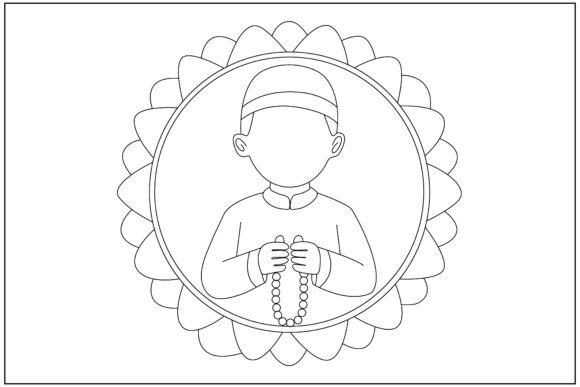
Muslim Child Tasbih Line Art
As an embroidery designer with years of experience, I always start by evaluating a design’s potential before committing it to a project. Muslim Child Tasbih Line Art caught my attention for its clean, minimalist aesthetic and cultural relevance. It feels like a design that could easily translate into a variety of handmade products, from custom apparel to home decor. But how does it perform in real-world embroidery situations? Let’s dive into the details.
First Impressions: A Design That Speaks Quietly
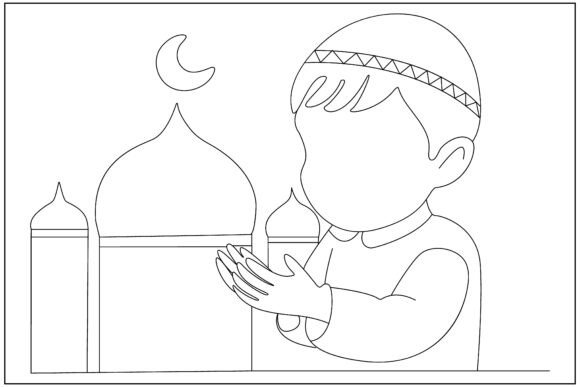
The first thing I noticed about Muslim Child Tasbih Line Art is its simplicity. The line work is clear, with a gentle flow that suggests a childlike innocence. The design isn’t overly complex, which makes it versatile but also raises questions about its suitability for certain projects. It’s not a bold statement piece, but rather one that works best when paired with subtle color palettes or minimalistic backgrounds.
The layout is balanced, with enough negative space to prevent visual clutter. This makes it ideal for small-scale embroidery, such as on baby clothes or personalized gifts. However, the design’s delicate nature means it might not stand out on darker fabrics or stretchy materials without careful consideration of thread colors and stabilizers.
Real-World Use Cases: Where Does It Fit Best?
One scenario that comes to mind is creating a custom embroidered tote bag for a boutique shop. Muslim Child Tasbih Line Art could be a great fit for a soft, family-friendly brand looking to offer unique, culturally inspired items. The design would look nice on light-colored cotton or canvas, where the line art can pop without being too harsh.
Another use case is a personalized baby onesie. The design’s gentle lines make it suitable for a baby’s clothing, especially if the parent wants something meaningful yet understated. However, I’d recommend testing the design on a scrap fabric first to ensure the stitch density and stabilizer choice work well for the fabric type.
For small business owners, this design could be a valuable addition to an Etsy store or craft fair booth. It’s perfect for printable mockups and digital product previews, allowing customers to visualize how the design will look on different items. But again, the key is to ensure the design is adaptable across various mediums.
Where to Be Cautious: Limitations and Considerations
While Muslim Child Tasbih Line Art has a lot to offer, there are some limitations to consider. For instance, it may not be the best choice for small hoop sizes. The design’s size and detail could lead to stitching issues if the hoop is too tight or the machine isn’t calibrated properly.
Textured fabrics, thin materials, or stretchy garments might also pose challenges. The line art could become distorted or lose definition if the fabric moves during stitching. In such cases, using a proper stabilizer is crucial to maintain the integrity of the design.
Dense stitch areas or intricate corners could also be problematic. If the design is used in a fill stitch or satin stitch application, it might appear too busy or lose its intended clarity. Similarly, tiny lettering or decorative accents could be difficult to execute consistently without a high level of precision.
Impact on Visual Appeal and Customer Perception
When it comes to visual appeal, Muslim Child Tasbih Line Art has a quiet charm that can elevate a handmade product. Its clean lines and simple form make it easy to incorporate into a range of designs, from wall art to embroidered patches. However, it’s important to remember that the design’s success depends heavily on how it’s presented.
A poorly executed embroidery job could make the design look cheap or unprofessional. On the other hand, a well-stitched version could add value to a product, making it more desirable to customers who appreciate thoughtful, meaningful designs. This is especially true for personalized gifts or holiday items, where the design’s cultural significance can resonate strongly with buyers.
From a branding perspective, Muslim Child Tasbih Line Art could help reinforce a shop’s identity, especially if the brand focuses on cultural or family-oriented products. It’s a design that feels authentic and could enhance the overall presentation of a small shop’s merchandise.
Practical Tips for Embroidery Designers
If you’re planning to use Muslim Child Tasbih Line Art in your own projects, here are a few practical tips to keep in mind:
- Test the design on scrap fabric before committing to a final product.
- Check thread color contrast to ensure the design stands out on the chosen fabric.
- Review stitch density to avoid overworking the design or making it look too dense.
- Confirm the correct hoop size for the design’s dimensions.
- Inspect small details closely to ensure they’re visible and well-defined.
- Test the design in black and white mockups to see how it looks on different backgrounds.
- Compare the design on both light and dark fabric to determine the best application.
- Use the right stabilizer for the fabric type to prevent distortion.
- Ensure the design works for both personal and commercial projects.
- Verify licensing terms before selling finished items or digital products.
Final Thoughts: A Design Worth Considering
Muslim Child Tasbih Line Art is a design that offers a unique blend of simplicity and cultural significance. While it may not be the most dramatic or detailed option available, it has a quiet elegance that can work well in the right context. For embroidery designers, small business owners, and crafters, it’s a design worth exploring—especially if you’re looking to create meaningful, personalized items for your customers.
As with any machine embroidery design, the key to success lies in understanding its strengths and limitations. With the right approach, Muslim Child Tasbih Line Art can become a valuable addition to your collection of design assets, helping you create beautiful, functional, and meaningful embroidered products.